Description
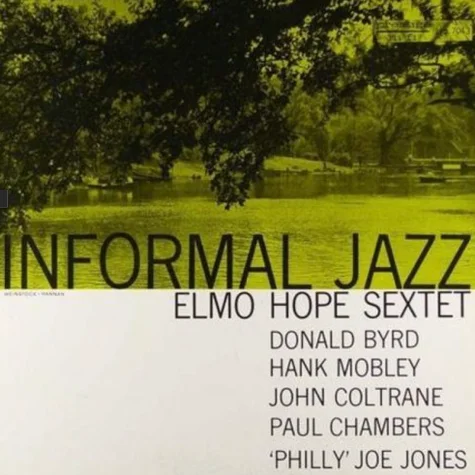
Analogue Poductions – APRJ 7043 – 180 Gram Virgin Vinyl – AAA 100% Analogue
Mastered By Kevin Gray at Acoustech Mastering – Prestige LP 7043
Limited Edition – Mono – Pressed at QRP Quality Record Pressings
AAA 100% Analogue This LP was Remastered using Pure Analogue Components Only, from the Master Tapes through to the Cutting Head
180-gram pressing by Quality Record Pressings has a flat edge profile and deep groove label, true to the original LP Deluxe high-gloss tip-on album jacket
Pianist/composer Elmo Hope is joined on 1956’s Informal Jazz by a literal dream team of jazz giants including John Coltrane (tenor sax), Hank Mobley (tenor sax), Donald Byrd (trumpet), Paul Chambers (bass) and Philly Joe Jones (drums). The 4-song hard bop set is anchored by the two Hope originals “Weeja” and “On It” which are featured here alongside the Jimmy Van Heusen penned “Polka Dots and Moonbeams” and the popular jazz standard “Avalon.”
Overshadowed throughout his life by his friends Bud Powell and Thelonious Monk, Elmo Hope was a talented pianist and composer in his own right. He recorded in New York as a band leader (starting in 1953), and with greats Sonny Rollins, Lou Donaldson, Clifford Brown and Jackie McLean. But the loss of his cabaret card due to drug use made it difficult for him to make a living in New York. After touring with Chet Baker in 1957, Hope relocated to Los Angeles. He performed with Lionel Hampton in 1959, recorded with Harold Land and Curtis Counce, and returned to New York in 1961. A short prison sentence did little to help his drug problem; he died in May 1967.
Although the album is titled Informal Jazz, reality dictates that a good deal of thought and care went into the recording session. The dynamic drum and bass team of Philly Joe Jones and Paul Chambers is “hardly the kind of rhythm section playing heard at a jam session, except possibly in heaven,” All Music Guide notes. And Hope’s solo spots are the best part of the record — “It is a stretch to imagine an ’informal’ recording session where even material as complicated as this is played.”
Lastly, some of the most well-known and influential horn artists of the time make their presence known — tenor sax greats John Coltrane and Hank Mobley, as well as trumpeter Donald Byrd.
Originally released in 1956.

Reviews
There are no reviews yet.